

Payment gateways charge various fees for processing commercial transactions. Learn how these charges work and how to manage them properly.
A recurring payment is a charge made on a schedule with a customer’s consent. The charge may happen weekly, monthly, yearly, or on another agreed cycle. Its amount can stay the same or change based on use.
The recurring payment meaning is simple: a business charges the same payment method again over time. If you wonder, “whats a recurring payment,” think of a streaming plan billed each month. A recurring monthly payment can also cover a phone plan, gym membership, or insurance bill.
The definition of recurring payment includes both fixed charges and charges that vary. A power bill may change each month, while a membership fee may stay steady. An installment plan is another form. It ends after the agreed number of payments.
Businesses use recurring payment services in many fields. Software firms, gyms, charities, insurers, and utility providers all bill on a repeat schedule. An automatic recurring payment can save customers from making each payment by hand. The customer still needs to agree to the terms.
Scheduled billing makes routine costs easier to manage. Customers do not need to enter payment details each cycle. They can still check statements and keep their card or bank details up to date.
For a business, repeat billing can make cash flow easier to plan. A firm with 500 members paying $20 each month expects $10,000 in gross monthly sales. Failed charges, refunds, and cancellations can lower the amount received.
Auto billing can also help keep customers. Members keep access without renewing by hand. This works best when the price, renewal date, and cancellation steps are clear before sign-up.
Clear billing helps both sides spot mistakes. A customer can compare each charge with the plan terms. A business can track paid, failed, and overdue bills in one place.

The process starts when a customer agrees to a plan and shares a payment method. The business records the price, charge dates, and consent. It should also explain how to change or end the plan.
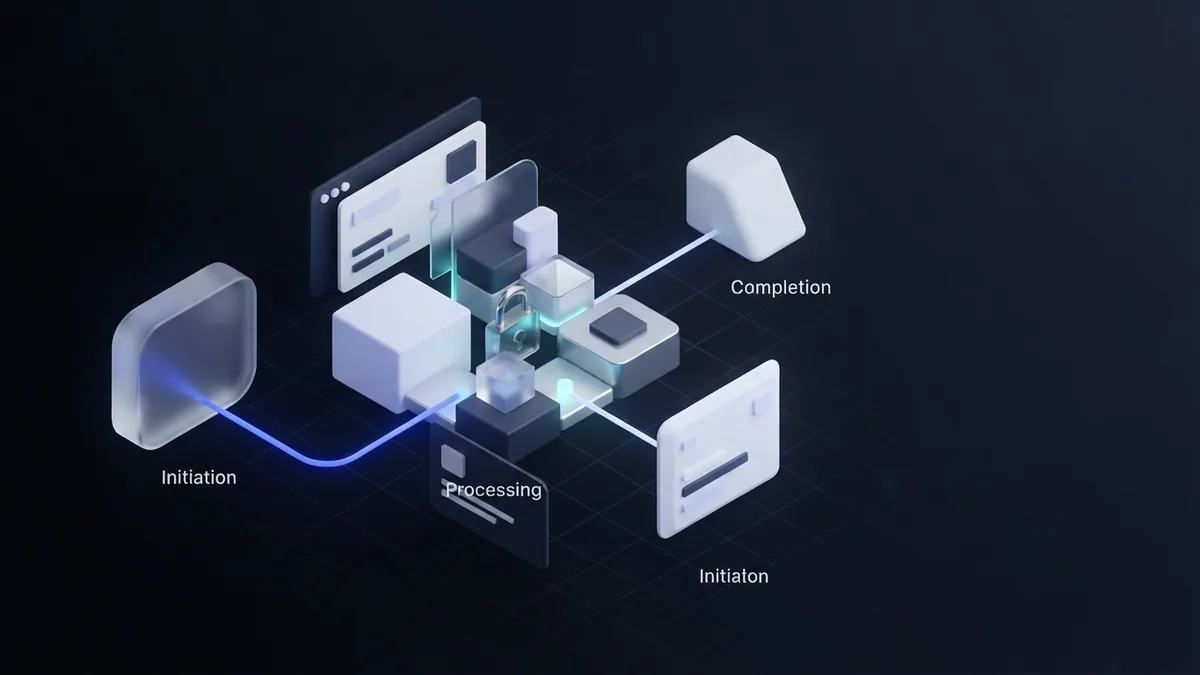
On each due date, the business sends a charge request through a recurring payment gateway. The gateway passes it to a card network or bank for approval. If approved, funds reach the business after the provider’s usual settlement time.
Processing recurring payment requests also means handling failed charges. A card may expire, or a bank may reject a debit. The business can tell the customer and ask them to update their details. Any retry must follow the agreed terms.
Billing dates need a clear rule. A plan that starts on the 31st needs a date for shorter months. The business might bill on the month’s last day instead. State this rule before the first charge.
Businesses should keep records of consent and key plan terms. These records help answer questions about a charge. They also help staff check whether a payment matches the customer’s agreement.

Businesses can accept recurring payments by card or bank debit. The best option depends on customer needs, fees, and how soon funds must arrive. Many recurring payment systems support more than one method.
Card billing is common for online plans and memberships. The customer enters card details once and agrees to future charges. A provider may store a secure token instead of showing the business the full card number.
ACH is a US network that moves funds between bank accounts. An ACH payment example is a gym collecting $75 from a member’s bank account each month. Bank processing can take several business days. A business should plan for that wait.
Invoices can also support scheduled billing. The business sends a bill, then collects payment on agreed dates. Some customers prefer to review each bill first. Fees and timing can vary by method, so explain them before sign-up.
Recurring payment options may include cards, bank debits, or invoice-based charges. A business can offer more than one method when its payment provider supports them. This gives customers a choice without changing the billing schedule.

First, find out who manages the charge. A service, app store, or bank may control it. Stopping a bank payment does not always end the service or contract.
To learn how to cancel a recurring payment, check the account or service that set it up. Follow its cancellation steps and save the confirmation. If you cannot find the right setting, contact the business and ask for written confirmation.
For a plan bought through an app store, use that store’s subscription settings. For a bank debit, contact the business first. You can also ask your bank how to stop a recurring payment from your account.
Keep paying any amount that remains due under your agreement. A payment stop may not end a contract or settle a balance. Check the cancellation date and any final bill before you close the account.

Subscriptions are a familiar recurring payment example. Streaming, music, and software services often charge each month or year. A customer pays for continued access until the plan ends or is cancelled.
Memberships work in much the same way. A gym may collect a set fee each month, while a club may bill yearly. The terms should state the renewal date and how members can leave.
Household bills can also recur. Phone plans, internet service, insurance, and some utility bills may draw funds on set dates. Their amounts may stay fixed or change with use.
When you set up recurring payment terms, make the schedule and amount easy to find. Explain whether the charge is fixed or can change. Customers should know how to update a payment method and cancel the plan.
To define recurring payment needs for a business, start with the type of charge and its billing cycle. Then choose a method that fits your customers and your cash flow needs. A clear process helps prevent confusion later.

Short answers to the questions we hear most. Can't find yours? Talk to our team.
Question 01 of 05
It is a payment charged on a set schedule with the customer’s consent. The amount may stay fixed or vary with use.
Question 02 of 05
It is a charge that repeats once each month, such as a membership fee or phone bill. It may continue until the plan ends or the customer cancels.
Question 03 of 05
A business sends a charge request through its payment provider on the agreed date. A card network or bank then approves or rejects the request.
Question 04 of 05
Contact the service or open its billing settings and follow the cancellation steps. Save proof of cancellation and check your next statement.
Question 05 of 05
You can ask your bank about blocking future bank debits. You may still need to cancel the service or contract with the business.
Still unsure? Ask a payment expert