

A fintech company or neobank building its own crypto payment capability needs a blockchain processing layer that connects to multiple networks, supports stablecoin settlements, and runs on dedicated infrastructure. PayAdmit provides the full development framework and an extendable software codebase, ready to adapt to any fintech product architecture.
CRYPTO PAYMENT GATEWAY DEVELOPMENT
PayAdmit develops software infrastructure used by licensed payment institutions to operate crypto payment processing flow. We provide both ready-to-deploy software solutions and fully custom development with dedicated routing, cascading, anti-fraud, and settlement logic configured to your exact business requirements.

WHAT IS CRYPTO PAYMENT GATEWAY DEVELOPMENT
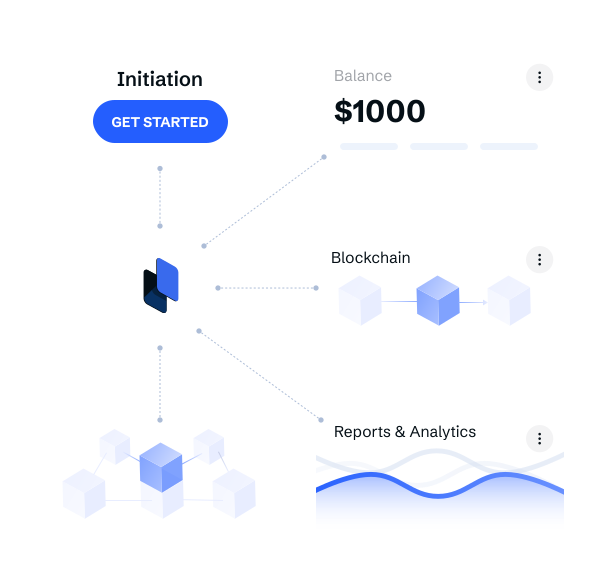
Crypto payment gateway development is the process of building software that connects a merchant platform to blockchain networks, enabling a business to accept and process cryptocurrency transactions in real time. The development covers the full processing pipeline: transaction initiation, blockchain confirmation tracking, currency conversion, settlement execution, and reporting – all running on infrastructure the business controls directly.
PayAdmit delivers crypto payment gateway development as both a ready-to-deploy software solution and a fully custom development service for businesses with specific blockchain and processing requirements. The development process adapts to your existing technical stack, operational model, and compliance requirements.
WHO NEEDS CRYPTO PAYMENT GATEWAY DEVELOPMENT
PayAdmit is a software company that develops payment gateways for businesses that need owned blockchain processing infrastructure rather than a shared processor solution.

Crypto deposits and withdrawals are a primary payment method in the gaming vertical. Custom software development ensures the business processes blockchain transactions with the same routing, cascading, and risk control logic that applies to card and APM payments. The development solution integrates directly into the existing cashier flow.

Split payments, multi-vendor payouts, automated settlement in cryptocurrency, and any custom payment logic your business requires – PayAdmit builds it to your exact specification. The development solution handles incoming crypto transactions, executes fiat conversion where required, and distributes funds according to business rules configured at the platform level.

Real-time blockchain processing, multi-currency wallet management, and fast settlement are core requirements for trading businesses. The development solution provides the technical backbone for processing crypto deposits and withdrawals at volume.

A standalone crypto payment gateway needs its own processing infrastructure. PayAdmit builds the full gateway stack: blockchain network connections, transaction routing, settlement logic, and merchant-facing APIs. The development result is an owned, extendable solution the business controls entirely.

Crypto wallet platforms that need to support payments, top-ups, and withdrawals require a processing layer that connects wallet balances to real transaction flows. PayAdmit builds the integration between wallet infrastructure and blockchain processing networks, covering pay-ins, pay-outs, and balance settlement in a single development scope.
NEED A CUSTOM CRYPTO PAYMENT GATEWAY DEVELOPMENT SOLUTION?
ROUTING PARAMETERS BUILT INTO THE DEVELOPMENT SOLUTION

Every merchant and customer profile in the software carries a trust score. The routing engine uses this score to determine which blockchain processing path the transaction follows. High-trust profiles route to direct confirmation paths. Lower-trust transactions trigger additional verification steps before the blockchain processing layer receives the payment request. Trust levels update automatically based on transaction history and behavior patterns.

The development solution tracks historical performance for each processing route: confirmation rates, average blockchain confirmation time, and settlement success rates. The routing software continuously recalculates weights for each route based on live performance data. When one blockchain path degrades in confirmation speed or success rate, the routing engine shifts volume to better-performing routes automatically.

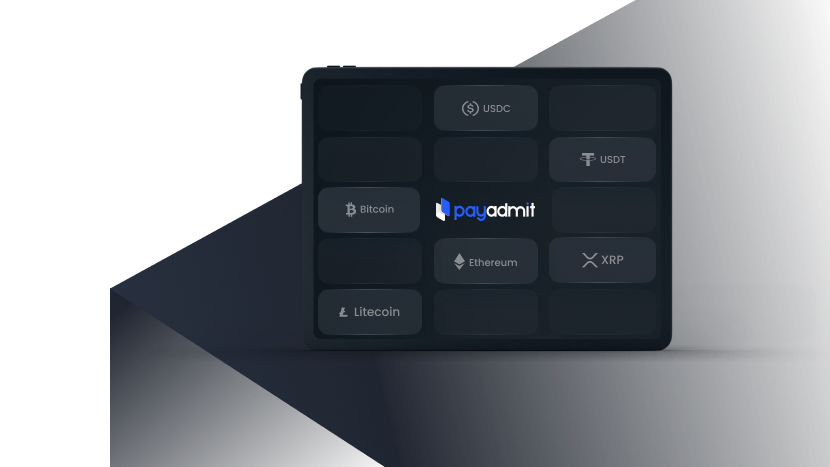
The development solution routes each transaction to the correct blockchain network based on cryptocurrency type. Bitcoin, Ethereum, USDT on TRC-20 and ERC-20, BNB, and other major crypto assets each follow dedicated processing paths configured during the software development stage. Network selection is automatic – the merchant does not need to specify the blockchain network at the checkout level.

Transaction size determines which processing path applies. The development software routes high-value cryptocurrency transfers through additional confirmation layers and verification steps. Small-value transactions process through faster, lower-fee blockchain paths configured to maximize conversion speed.
VELOCITY LIMITS AND ANTI-FRAUD DEVELOPMENT
Every production-grade crypto payment gateway development project requires multi-layer fraud prevention and velocity control.
Velocity Limit Configuration
The development solution enforces velocity rules at three levels, all configurable independently per business:
- Per wallet address – limits on the number of crypto transactions and total volume from a single blockchain address within hourly, daily, and weekly windows. The software blocks or flags addresses that exceed configured thresholds before the transaction reaches the blockchain layer.
- Per merchant – daily and weekly crypto processing caps per merchant account. The software deactivates processing for a merchant account automatically when volume caps are reached, preventing overexposure without manual intervention.
- Per platform – platform-wide transaction limits that the business configures at the software level. Global limits apply across all merchant accounts and override merchant-level settings when triggered.
ANTI-FRAUD RULE DEVELOPMENT
The fraud prevention layer in the development solution covers rule configuration, real-time transaction scoring, and third-party service integration:

The business defines fraud rules at the shop level within the software. Rules apply before any transaction reaches the blockchain processing layer. The development includes a rule management interface where the business configures conditions, thresholds, and actions without touching the software codebase.

Blockchain wallet addresses, IP ranges, and customer profiles are manageable at the gateway software level. The development solution includes list management APIs and a back-office interface for real-time updates. Blacklisted addresses are blocked at the first processing stage, before any blockchain interaction occurs.

Each cryptocurrency payment receives a risk score before the software routes it to the blockchain processing layer. High-risk transactions are held for manual review or declined automatically based on configured thresholds. The scoring model updates continuously based on platform transaction data.

The development solution integrates ZignSec and Kount as standard anti-fraud services. The development team also connects any custom anti-fraud provider the business already uses – Paydect and other specialized blockchain fraud detection services connect to the same transaction scoring pipeline. Third-party service integration is part of the standard development scope, not a separate add-on.
WHAT THE CRYPTO PAYMENT GATEWAY DEVELOPMENT COVERS
PayAdmit crypto payment gateway development delivers a full-stack software solution that covers every layer of the blockchain processing infrastructure. The development scope includes the following components.

The core of the development solution handles transaction initiation, blockchain confirmation tracking, and settlement logic. The software monitors blockchain activity, detects confirmation status in real time, and triggers the settlement flow once the required number of confirmations is reached. Confirmation thresholds are configurable per cryptocurrency, allowing the business to balance settlement speed against security risk.

The development solution covers major blockchain networks: Bitcoin, Ethereum, USDT on TRC-20 and ERC-20, BNB, and other high-volume crypto assets. Multi-network support is built into the routing software from day one of the development project.

The development solution includes a real-time CCY conversion layer for businesses that settle cryptocurrency payments in fiat currency. The software connects to live exchange rate APIs and executes conversion at settlement. Conversion rules – which assets convert automatically, at what threshold, and to which fiat currency – are configured during the software development stage.

Every cryptocurrency transaction is visible in the merchant portal with full status tracking: initiated, pending blockchain confirmation, confirmed, settled, or failed. The back office provides aggregate reporting, settlement summaries by cryptocurrency, and exportable transaction logs. Custom reporting configurations are included in the development scope.

The development solution includes a full REST API for transaction initiation, status queries, and refund requests. Webhooks deliver real-time blockchain processing updates to the merchant software. The solution supports webhook resend, enabling the business to re-trigger callbacks for any transaction state without custom development work. PayAdmit also provides complete merchant-facing API documentation, ready to hand directly to clients for self-service integration without additional development effort on your side.

The development covers all operation types. Pay-ins handle incoming cryptocurrency from customers. Pay-outs process outbound crypto transfers to merchants, vendors, or end users. Refund development logic returns cryptocurrency to the originating wallet. Recurring payment development enables scheduled blockchain transactions without requiring the customer to initiate each payment manually.
CRYPTO PAYMENT GATEWAY DEVELOPMENT BUILT FOR PRODUCTION. YOUR INFRASTRUCTURE. YOUR SOFTWARE.


300+ INTEGRATIONS IN ONE DEVELOPMENT SOLUTION
Beyond blockchain processing, the crypto payment gateway development solution connects to over 300 alternative payment method providers through the same routing and cascading software engine.
The development team handles all provider integrations. When a business needs a specific cryptocurrency processor not currently in the network, the integration development takes a few weeks. PayAdmit manages the technical relationship with each blockchain provider, reducing the business’s overhead for maintaining multiple processing connections.
ADDITIONAL
BUSINESS SERVICES
Beyond crypto payment gateway development, PayAdmit supports the business infrastructure setup that companies typically need before going live with cryptocurrency processing.
Company Incorporation Support
PayAdmit provides support in the company opening procedure for clients entering new markets. The correct legal entity structure is often a prerequisite for obtaining a cryptocurrency processing license and operating the development solution in a regulated environment.
License Acquisition Support
Obtaining a payment service license is a prerequisite for operating a crypto payment gateway in most regulated markets. PayAdmit provides support through the license acquisition process, helping the business prepare required documentation and meet regulatory requirements specific to cryptocurrency processing.
FREQUENTLY ASKED QUESTIONS
What is included in the crypto payment gateway development solution?

The development covers the full blockchain processing stack: cryptocurrency processing engine, routing and cascading software, velocity limit configuration, anti-fraud rule development, admin panel, merchant portal, back office, REST API, webhooks, and all operation types – pay-ins, pay-outs, refunds, and recurring payments. Custom reporting and third-party service integrations are included in the standard development scope. The development team also provides full development documentation, with full API references and integration guides, so your development team can connect to the solution without delays. The development solution also covers full configuration at every layer – let the PayAdmit team know your company’s security requirements and they will be factored into the development plan from day one. Transaction data is stored in encrypted format in line with PCI DSS security standards, and no sensitive cardholder data is retained beyond the authorization stage. Let us define the data retention rules together – the development team configures the software to match your exact specification.
How long does the development and setup take?
Standard crypto payment gateway development and deployment takes up to 3 weeks. This includes blockchain network configuration, routing ruleset development, anti-fraud setup, merchant portal access, and API documentation delivery. Custom crypto development projects with unique blockchain or software requirements are scoped individually. Let us know your timeline – the development team will assess the scope and confirm the exact delivery plan for your company. Testing is part of every development cycle, ensuring the crypto solution is production-ready before your website goes live.
Can you integrate third-party anti-fraud providers into the development solution?
Yes. The development team connects any custom anti-fraud provider the business already uses blockchain-focused fraud detection services. Third-party service integration is part of the development scope. Each integrated anti-fraud service adds a security layer that scores transaction data in real time before the crypto payment reaches the processing stage. Let your security team define the rule logic – the development solution supports custom rule configuration per merchant account. Transaction data flowing through the anti-fraud layer is handled according to the security policies your company sets during development. Security rules and fraud thresholds are configurable without touching the core development codebase.
Do you support cascading for cryptocurrency transactions?
Yes. The development solution includes a configurable cascading engine for crypto payments. When a transaction fails to confirm within the configured timeframe, the software cascades to the next available processing provider. Cascade sequences, timeouts, and fallback conditions are all configurable per merchant without custom development work. The cascade logic operates transparently – the merchant website receives a single status callback regardless of how many processing attempts occurred. Validation checks apply at each cascade step, and crypto transaction data is logged at every stage so your team has full visibility into the processing flow. Let the back-office access controls determine which roles can view cascade logs and modify cascade rules per merchant. Let your operations team configure cascade timeouts directly from the portal without additional development work.
Can multiple merchant accounts operate under one portal?
Yes. The number of merchant accounts in the software is not limited. All merchants are visible under a single portal access. Settlement reporting, transaction logs, and routing configurations – including settlement export and reconciliation reports – are manageable per merchant from the same back-office interface. Role-based access controls let your company define who can view transaction data, modify routing rules, or manage security settings across the merchant network. Share your team’s permission requirements in advance – the development team configures portal permissions during setup so the right information is available to the right roles from day one. Each merchant website connects to the crypto payment portal through a dedicated API key, and data is isolated per merchant at the software level. Audit logs and access records are available directly from the portal.
Is it possible to connect custom providers to the development solution?
Yes. In addition to existing integrations, the development service includes connecting additional cryptocurrency providers and payment processors on request. Let us know which crypto providers your website needs to support – the development team handles the technical integration work end to end, let the team take it from there, with no involvement required from your company’s engineering team. Each new provider connection goes through security review and data compatibility testing before it goes live. The integration development process includes full API mapping and flow validation so the new provider functions identically to existing connections in the routing and cascading software.