PayAdmit is an official partner of both methods and has integrated them directly into its payment gateway platform.
A payment processor issues a merchant identification number when you set up a merchant account. Without it, your business won’t be able to handle bank card payments efficiently. A unique number helps route funds to the right bank account while ensuring seamless communication between all parties involved. In our guide, we will discuss the purpose and benefits of merchant ID for doing business these days.
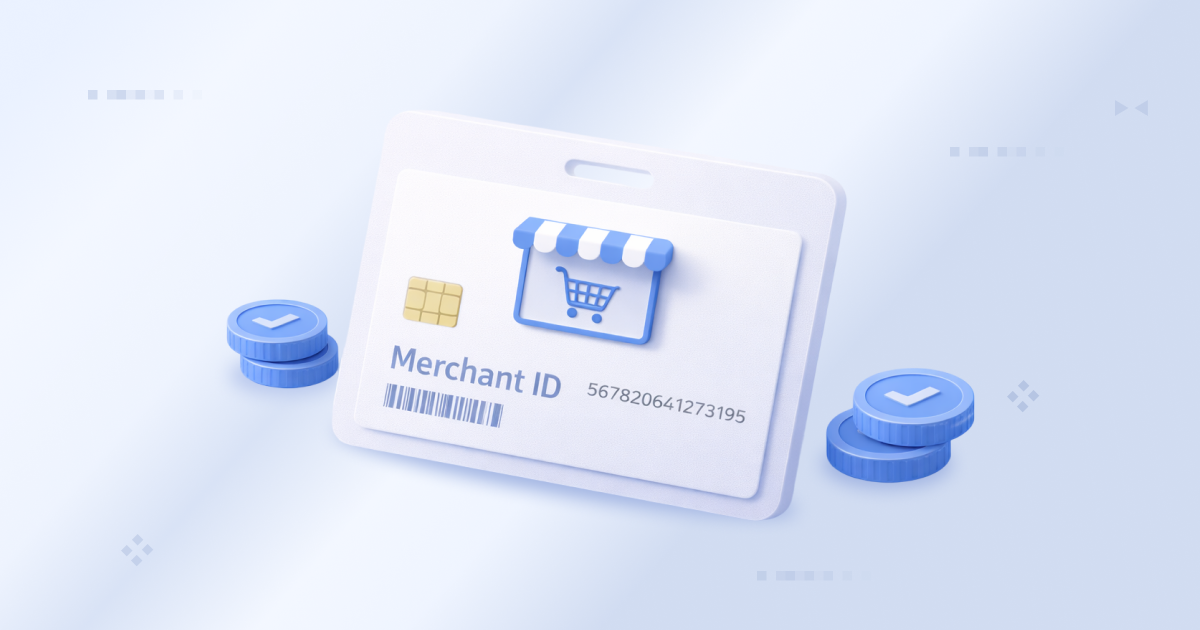
A merchant ID (MID) is a 15-digit number assigned to your business when you set up a merchant account with an acquiring bank. Once assigned by a payment processor, it can’t be changed. A merchant ID acts as a digital address for your transactions, informing banks, card networks, and other parties where the funds should go. It ensures secure transactions every time a customer makes a purchase on your website.
A merchant ID is a private piece of data that can be used for fraudulent activity in the wrong hands. That’s why it needs to be kept private. If you decide to use a new payment processor, your company will get a new MID.

Merchant Identification Number (MID)is a unique identifier issued to a business by a payment processor when a merchant account is created. But it’s not the only number that communicates the information about your company.
Terminal Identification Number (TID) is a special code assigned to each physical payment processor rented by your business. It is automatically attached to every transaction processed through the terminal, which helps you keep all financial operations organized.
Gateway Identification Number (GID) is a network login code assigned to your account by a payment gateway. It helps the payment system recognize your business and transfer funds correctly. Keep it safe. But you can also retrieve it by calling your payment processing provider.
Don’t confuse the MID with a gateway ID or a terminal ID. These IDs are meant for software and electronic transmission purposes.
Now that you know the merchant ID meaning, you should learn how it works in practice. When you set up a bank account with a merchant acquirer, you’ll be assigned a merchant ID. The main requirement is successfully complete verification that requires you to provide your employer identification number (EIN) and other proof of your business’s legal status.
Your MID plays a crucial role in the payment cycle, confirming your company as the rightful recipient of the funds. Here is how the whole process works:
The settlement process starts straight away upon authorization. The issuer sends the funds to the acquirer by using the MID. It may take up to 3 days to get the funds accessible on the business bank account.
One merchant ID is usually enough to meet your corporate needs. If you have several businesses with separate merchant accounts, you will have multiple MIDs. For example, if you own a supermarket that also has a coffee shop within it, you can keep separate merchant accounts to differentiate sources of revenue. It means that a supermarket and a coffee shop will have their own MIDs, even though they are officially part of the same business.

A merchant number is irreplaceable for businesses that want to accept card payments. Without one, the payment processors simply don’t know where to send your customer’s funds. So, it’s not like you have a choice. MID is your ticket to the world of online sales. It allows your business to process debit and credit card operations. A merchant ID helps you build public trust, assuring customers that your company is legitimate.
Your MID makes it easier to expand payment methods, offering more convenience to your customers. This leads to higher sales and better customer satisfaction, helping your company stay ahead of today’s competitive market. Your MID provides a clear overview of financial operations, allowing you to monitor and manage sales, refunds, and chargebacks. Whether you’re running a local coffee shop or managing a large multi-market company, the MID ensures that each transaction is recorded and routed properly. As a result, you can benefit from clean reconciliation and accurate settlement tracking in the long run.
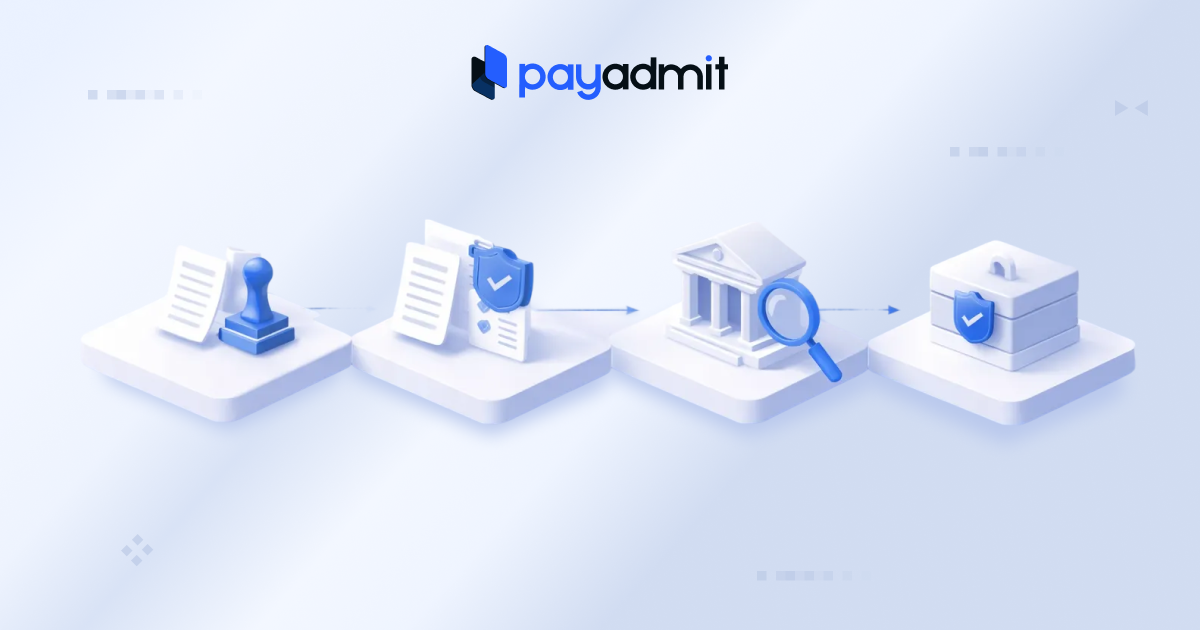
If you are planning to get your own merchant ID, stick with the standard procedure. Here’s how it works step by step:
The whole process ensures your business’s legitimacy and builds the foundation for secure payments. With that said, MIDs aren’t issued for life. It’s possible to lose your merchant ID, especially in high-risk industries, due to frequent chargebacks and other payment problems.
Finding a merchant ID number is quite simple. Here are a few ways to go about it:
Knowing the answer to the “what is a merchant number” question is not enough for safe payment processing. Your MID is always exposed to security risks, which might lead to disrupted settlements, reconciliation errors, and fraud. Here’s how to protect your MID:
PayAdmit can make it easier to get a merchant ID for your business. We handle everything from registering your MID to managing your transactions. Strong security measures prevent the risk of fraud, creating a safe payment processing cycle. Feel free to get in touch if you have any specific questions about merchant identification numbers.