PayAdmit is an official partner of both methods and has integrated them directly into its payment gateway platform.
The worldwide digital payments are projected to show an annual growth rate of 8.44%, reaching a total value of approximately $36 trillion by 2030. The evolution of payment processing doesn’t have to be difficult for global businesses. With the right third party processor, they can easily accept credit card transactions without setting up the complex infrastructure. In this comprehensive guide, we will discuss how payment processors work and why they can be the best fit for small businesses.
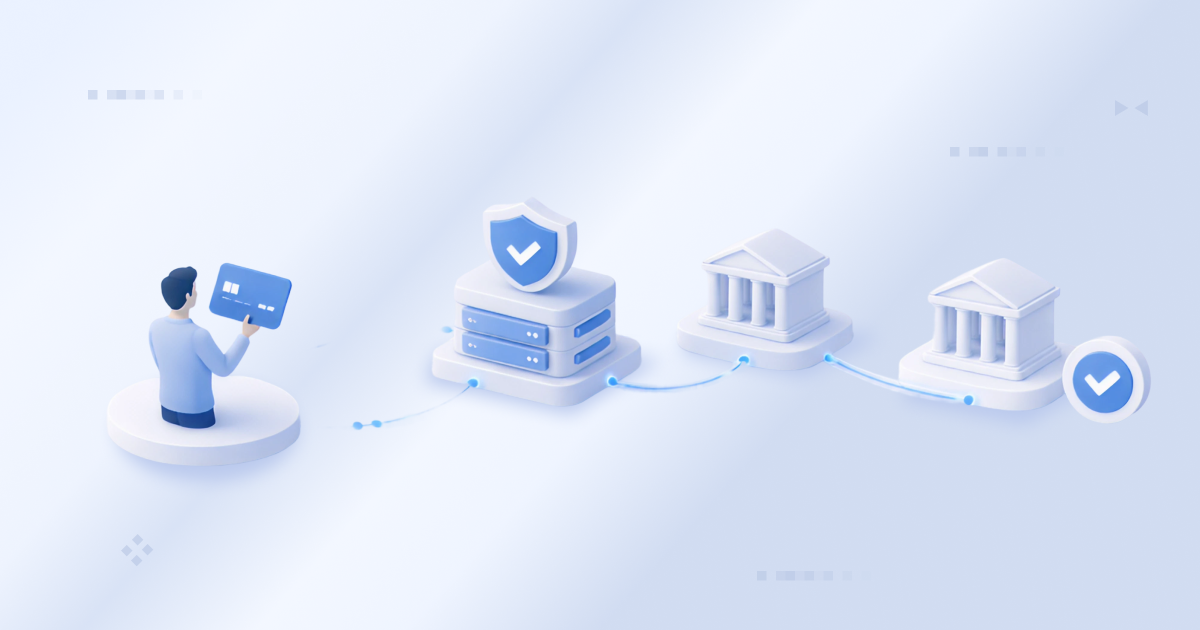
A third-party processor serves as an intermediary, ensuring smooth payments between merchants and customers. It looks for authorization between the card issuer and the acquiring bank on the cardholder’s behalf. Then, the acquirer transfers funds to the merchant through a shared merchant account. There are often no monthly service or termination fees. However, payment processors still charge a per-transaction percentage amount and a fixed fee.
Third-party processors rely on encryption and fraud detection technologies as extra layers of security that most businesses can’t achieve on their own. They also stay compliant with PSD2, PCI Level 1, SCA, and 3D Secure 2.0, reducing the risk of fraud. Companies and their customers don’t have to worry about sensitive data being leaked. Reliable third-party payment processors like PayAdmit require just a few minutes to set upan account and start accepting online transactions safely.

Third party payment providers enable digital transactions between merchants and customers. Make sure you know everything about it. Let’s see how the whole process works in practice.
There are several types of third-party payment processors, each coming with its unique features and benefits. The key TPPPs include:
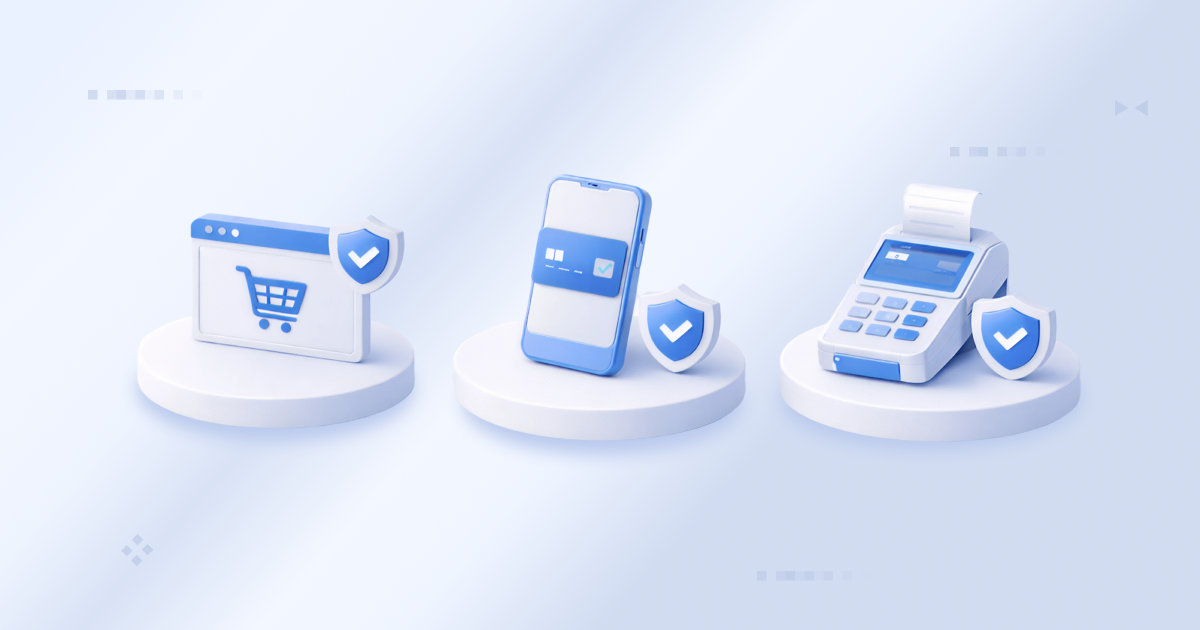
Online payment gateways help businesses accept payments using an e-commerce website or mobile app. Overall simplicity makes this type of TPPP popular among consumers who just need to enter payment details to make a purchase. Modern gateways have made the process of moving funds from the customer’s account to the merchant’s account easier.
Mobile payment processors allow your business to manage payments using a smartphone or tablet. With everyone owning a mobile device, processors have become indispensable for many businesses that want to speed up their transactions. In addition, mobile processors can be integrated as an independent software solution or next to the existing point-of-sale system.
Point-of-sale systems help businesses accept payments in person, usually through a terminal card reader. The best thing about it is that transactions can be made directly in the store and on the go. These diverse systems allow merchants to take payments whenever their customers make purchases.
Third-party payment processors also differ in the services they provide. Full-service TPPPs come up with a wide range of services, including processing payments, managing customer data, and implementing fraud detection. They are mainly suitable for businesses that require a complete transaction processing solution. Specialized TPPPs focus on mobile, crypto, or payments, which makes them perfect for businesses with unique payment processing needs. Platform-specific TPPPs are integrated with a particular platform, such as an e-commerce website or point-of-sale system. They are designed for businesses that plan to streamline their payment processing process. When making the choice, consider the kind of TPPP that fits your commercial needs most.
Using a professional 3rd party payment processor, businesses can handle customer card or bank payments. Here are just a few of the key advantages to consider:
The use of third-party processors involves certain risks for businesses. Their transaction fees are usually higher than the transactional costs associated with merchant accounts. The fees are charged per swipe, depending on the size of your company and the number of monthly transactions.
These processors are sensitive to any unusual activity that can indicate potential risk. Transactions that are unusually large for your business or a high volume of chargebacks could get your account flagged. The worst thing that might happen is that your business account gets frozen, so you lose access to your funds. It may take days or even weeks to resolve an issue and get access to your funds back.
Third-party processors are vulnerable to data security issues because of the service’s aggregate nature. Fraudulent transactions, identity theft, money laundering, and other risks are the most common risks that require special measures like encryption or multifactor authentication.
When using a third-party payment processor, your company should be ready to face real challenges. These include:
A merchant services provider should give your customers access to more payment methods. You don’t even have to set up your own merchant account with a bank. To help you make the right choice, check out these examples of third party payment processors on today’s market.
PayAdmit is a payment processor that provides various financial solutions, including credit card processing, digital wallets, and recurring billing. It also offers advanced security features, such as fraud detection and encryption, to secure sensitive information. PayAdmit supports over 100 currencies. With that said, it has been integrated with a wide range of e-commerce platforms worldwide.
PayPal is one of the most popular platforms for processing online payments via credit and debit cards and PayPal accounts. Thanks to strong buyer/seller protection and easy integration, it has earned high public trust. PayPal is suitable for businesses looking for broad customer acceptance and a well-established processor. It supports over 26 currencies, which makes global transactions easier than ever.
Square is a payment processor offering various financial solutions, including credit card processing and invoicing. It also offers advanced security features, such as fraud detection and encryption, to protect sensitive data. Square provides detailed payment analytics and reporting, giving merchants more control over their finances. It also supports over 130 currencies for processing international transactions.
Amazon Pay is a payment processor supported by Amazon, allowing businesses to accept payments from customers with registered Amazon accounts. It supports fraud protection and encryption technologies to keep your customers’ information secure. Its quick integration with Amazon’s shopping cart and checkout page helps users make easy payments whenever needed.
Tipalti is a payment processor that provides various payment solutions, including credit card processing, ACH processing, and global transactions. It comes with extensive customization options while supporting a wide range of payment methods and currencies. Tipalti is mainly used by tech-savvy businesses looking for optimized financial solutions. It also supports around 160 currencies, which promises smooth transactions worldwide.
There are thousands of payment processors across the world. The most suitable provider will depend on your business specificity.
Third-party payment processors have a direct impact on the customer experience, financial security, conversion rates, and overall efficiency. Making the right choice requires a good understanding of exactly what your business needs in the short- and long-term perspective. Let’s take a closer look at the key criteria to consider during the selection process.
Security should be your absolute priority when it comes to financial operations. It’s crucial to keep things safe for both businesses and customers. Ideally, you find a processor that complies with the major security protocols, such as tokenization or encryption technology. PCI DSS is the most common set of security standards for organizations that process, store, or transmit credit/debit card data. Regulatory compliance helps create a secure environment for managing sensitive data.
A reliable processor can also use fraud prevention tools to prevent fraudulent transactions and protect sensitive data. Otherwise, the price can be too high to pay. Any kind of fraud can make you lose valuable time, delay payouts, and lower the level of customer satisfaction. With that said, security issues can quickly snowball into chaos and even reputational damage.
When it comes to 3rd party payment processing, you need to ensure its alignment with your existing e-commerce hardware and software. Most processors offer APIs and SDKs, enabling seamless integration with various business platforms. Quick integration helps process quick payments and generate fast revenue. Ideally, you may consider processors with pre-built integrations, developer support, and plug-and-play solutions.
The processor you choose should be easily adjustable to the software you’re already using for corporate purposes. If you have an e-commerce platform, you should be able to complete quick integration without disrupting business operations. Also, you need to ensure compliance with your accounting software like Xero and QuickBooks. This makes payment reconciliations much easier. The same thing is applicable to the existing hardware. When searching for a credit card processing brand, focus on providers that could easily integrate with your card reader or POS terminals.
When looking for the right processor, you should be familiar with its cost structure, including setup fees, transaction fees, monthly fees, charge fees, and currency conversion fees. The pricing model should align with your business’s transaction volume and anticipated growth. Then, you can manage your costs efficiently while planning the future growth. Some processors come with tiered and flat rates. Others charge businesses based on a percentage of each transaction in addition to a fixed fee.
Third-party processors usually use flat-rate pricing for more convenience. Meanwhile, merchant account providers rely on interchange-plus pricing for higher volumes. It’s in your very best interest to figure out the most cost-effective option for your business.
The payment processor should support the payment methods that are often used by your customers. These could include credit and debit cards, digital wallets, and buy now, pay later (BNPL). Mobile payments, ACH, and SMS payments are alternative methods, gaining more public attention. For example, cash on delivery (COD) has become widely used in some markets.
Supporting various payment methods increases conversion rates and customer satisfaction. Some processors may offer daily, weekly, or monthly settlements, while others come with instant settlements. Never ignore cash flow requirements. You should choose a processor that aligns with your business’s needs.
A pricing model determines how businesses charge customers for what they sell. The main charges include a one-time purchase, a subscription, and custom plans. The price should reflect the product or service value and keep customers engaged in the long run. Here’s how the most common pricing models work:
When choosing the best third party payment system, you should find a pricing model that helps you stay profitable in the long run. Make sure it fits how your target audience thinks, supports your business strategy, and meets financial needs in the long run.
Running a business in the era of digitalization means processing seamless payments. Third-party processors can help you accept credit and debit cards, digital wallets, and other payment methods without any hassle. You won’t even need to create a separate merchant account. Moreover, you will face reduced processing fees while enjoying an overly positive payment experience. That’s why selecting a reliable third-party payment processor can be a reasonable solution for your business. A detailed assessment of your specific requirements and a comparison of available providers will help you make an informed decision, encouraging stable growth.
Third party payment processors are entities that enable merchants to accept credit and debit cards, digital wallets, and other payment methods without creating their own merchant accounts.
A third-party payment processor can be a good solution for your small business that doesn’t have a high volume of credit card transactions. It can help you increase payment methods, reduce the risk of fraud, speed up payment processing, improve the level of security, and enhance global presence.
Yes, they usually involve a higher risk due to limited merchant control, sudden policy changes, and dependency on the provider’s compliance rules. Risks increase in high-risk industries, but reputable processors with strong security, transparency, and regulatory compliance can significantly reduce these concerns.
Easy setup, lower initial costs, multiple payment methods, simplified processing, reduced risks, integration simplicity, and global reach are considered to be the main benefits.
Processing fees usually include setup fees, monthly fees, and transaction fees. The exact fees depend on the provider’s pricing plan, which may rely on commissions, flat rates, or subscriptions.
PayAdmit supports multiple currencies, recurring billing, and flexible payment methods. Its advanced fraud prevention technologies, secure infrastructure, and global integration capabilities help businesses speed up payments while providing high approval rates.