PayAdmit is an official partner of both methods and has integrated them directly into its payment gateway platform.
Modern businesses are accepting bank cards and other digital payments to address today’s market needs. The average transaction involves many players, each playing a specific role. In this article, we will explore the main difference between payment gateway and payment processor. These strategic components sound similar but serve various purposes. The financial ecosystem may seem confusing, but the whole thing is relatively simple.
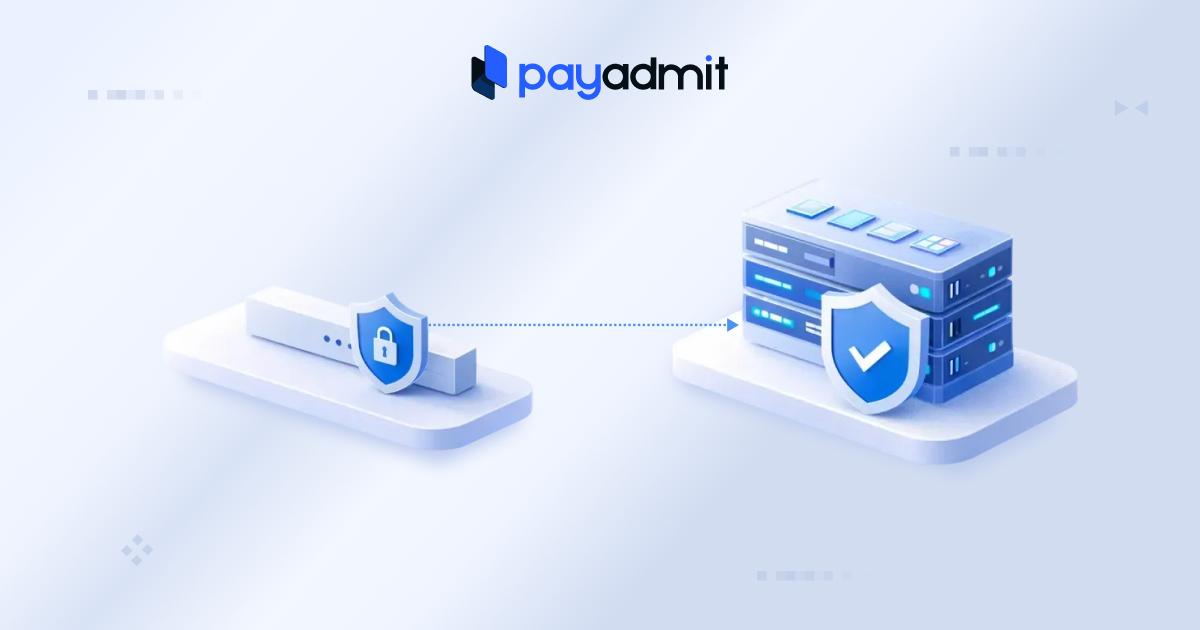
A payment gateway acts as a link between a merchant’s platform and the payment processor. Properly built into the checkout page, it encrypts financial information before processing. It looks similar to a point-of-sale (POS) terminal located in physical retail shops. However, gateways are widely used in e-commerce by following the highest security protocols.
When a customer adds a product to a shopping cart, they go to the checkout page to make a purchase. The gateway transfers the card information to the processor. If there are sufficient funds in the customer’s balance, the issuing bank gives authorization for transferring money. Then, the gateway informs the buyer about the transaction status.

A payment processor acts as a bridge between buyers and banks that issue and acquire funds. It checks the accuracy of card details, ensures legal compliance, and approves or declines the operation. Without it, online brands cannot accept online purchases, leading to lower conversion rates.
A payment processor handles the transaction between the merchant, the buyer, and their banks. When paying with Visa or Mastercard, the card network is also involved into the process. If there are sufficient funds in the customer’s account, the transaction can be approved. A processor ensures the merchant gets money through the acquiring bank within several working days. It also enforces legal compliance with card network policies while maintaining smooth settlement of funds.
When it comes to credit card gateway vs processor, merchants should know the difference. Both terms are interconnected but play different roles:

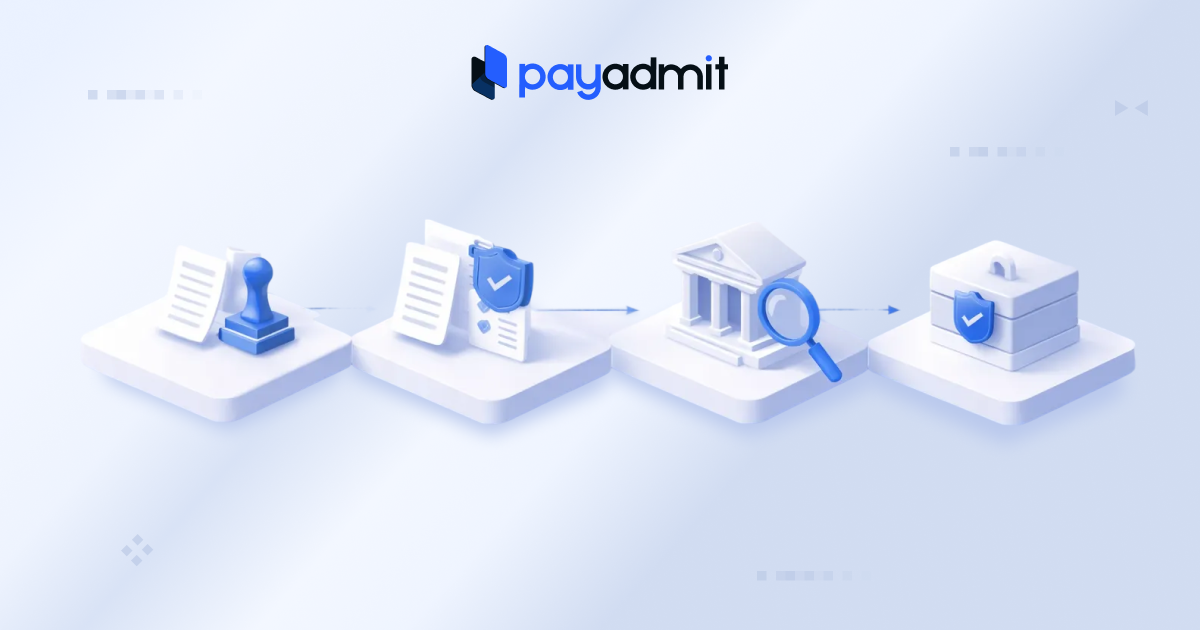
Payments gateway vs processor enable smooth data exchange between all parties involved. Here’s how the whole process works:
Both are integral parts of the financial ecosystem, which also includes merchant accounts, banks, and card networks. Some providers offer hybrid payment solutions to help businesses process transactions from start to finish.
If your business is offering products for sales online, you can use the payment processor vs gateway combination to verify transactions made with bank cards and other digital methods. The gateway stores the customer’s data, and the processor transfers money to the customer’s bank account. If you have a physical store, you only need a processor to handle bank card transactions. For in-person purchases, you most likely have a POS terminal. Most merchants use both services to promote smooth online transfers.
A payment service provider (PSP) integrates merchants into the large financial network in order to accept credit and debit cards, as well as digital wallets. It enables the secure transfer of financial data between buyers and merchants. PSPs usually offer low entry barriers, making it easy for businesses to sign up and start accepting money. Acting on behalf of merchants, PSPs monitors the whole transaction, from verification to settlement.
Both payment service provider vs payment processor conduct the same tasks, but the extent of their offerings differs. Many PSPs offer an end-to-end solution, including their own processing service. Processors are responsible for verifying transactions, not more than that.
When choosing the best financial solution, it is important to assess your business needs, including the workload and target audience. Advanced e-commerce platforms cover the most popular debit and credit cards and e-wallets, which have a positive impact on public satisfaction and conversion rates. That’s why consider transaction fees and additional charges that might pop up on your way. Transaction reports and the dashboard interface can also drive business decisions in the future. But don’t forget about security. The selected provider should stay compliant with the major security protocols. PayAdmit acts as both payment processor and payment gateway, eliminating the need for your business to acquire these services separately.