PayAdmit is an official partner of both methods and has integrated them directly into its payment gateway platform.
Digital payments are projected to surpass $33.5 trillion by 2030. With this growing trend, businesses require internet merchant accounts to manage online transactions through registered payment gateways. That’s the way to expand their customer base, raise revenue, minimize the risk of fraud, and improve customer satisfaction. This article will explore the basics of internet merchant accounts, guiding you through the setup process.
An internet merchant account (IMA) is a special type of bank account that allows buyers to purchase something online. It stands between a merchant and a payment processor, building a secure platform for processing online transactions. Unlike a regular merchant account, it involves higher fees caused by potential risks.
Understanding the key terms of an internet merchant account is crucial for any business planning to accept online payments. These include:

Integrating an internet merchant account in your business is easier than it seems. Let’s take a closer look at the key steps.
Once the customer decides to make a purchase online, they provide their payment information on the checkout page. They enter their debit or credit card along with the billing address and security code to complete the transaction.
Customer details are stored, encrypted, and immediately sent to the payment gateway. Then, it sends the financial information to your merchant acquiring bank, the financial institution that has issued your IMA.
The acquiring bank sends the transaction request to the card network (Visa, MasterCard, etc.). The card network then contacts the customer’s bank to check whether the customer has enough funds for making a purchase.
In case of approval, the issuing bank authorizes the transaction to continue the payment process. The transaction can be declined due to insufficient funds, inaccurate payment details, or potential fraud. In case of decline, the customer gets notified about rejection.
The issuing bank releases the funds upon approval. The funds are not sent directly to the customer’s bank balance. Instead, the funds are held temporarily in the internet merchant account. The rest of the procedure is managed safely and securely.
The funds are eventually taken from the internet merchant account and sent to the merchant bank account. The processing period doesn’t last long, usually taking 1-3 business days.
Businesses can register different types of merchant accounts, depending on their transaction volume, industry risk, and financial control. Here are the main options:
An internet merchant account is tailored for online businesses to process digital transactions securely. It is critical for e-commerce, where buyers make online purchases with credit and debit cards and e-wallets. An internet merchant account has a complex setup, requiring integration with a payment gateway and strict compliance with security standards (PCI DSS).
An aggregated merchant account is a shared balance managed by a Payment Service Provider (PSP) like PayPal, where merchants process payments through the same account. Transactions from similar businesses are grouped together and then channelled to the acquiring bank for fast processing. An aggregated merchant account is the best choice for small businesses and startups, but it gives you less control over chargebacks and disputes.
A dedicated merchant account is set up specifically for one business, providing direct control over financial operations. It comes with lower fees and faster transaction processing for high-volume businesses. A dedicated merchant account has strict compliance requirements, leading to a lengthy approval process.
A high-risk merchant account is a specialized account for businesses marked as high-risk by banks and payment processors. The main criteria for assessing the risks include the business’s financial performance, credit record, and industry sector. A high-risk merchant account has stricter approval requirements and higher processing fees. It may also require a rolling reserve so that merchants can hold part of their funds for safety reasons.
Merchant accounts fall into two main categories, each serving different purposes. A traditional merchant account is set up directly between a business and an acquiring bank, offering greater control over payment processing and risk management. It is suitable for businesses with higher transaction volumes or specific compliance requirements. But it involves longer approval times, stricter underwriting, and higher setup costs.
An aggregated merchant account, managed by a payment service provider (PSP) such as PayPal or Stripe, allows multiple businesses to process payments under a single master account. It is quick to set up, requires minimal documentation, and charges lower fees. Merchants have limited control over disputes, since the PSP manages risk and regulatory compliance. Choosing the right model depends on business size, transaction volume, and financial operations.
Once you are ready to open an online merchant account, you should check your company’s eligibility first. Here are the main requirements to be met:
Also, you will need to provide a detailed overview of your business model and the products or services you bring to the market.
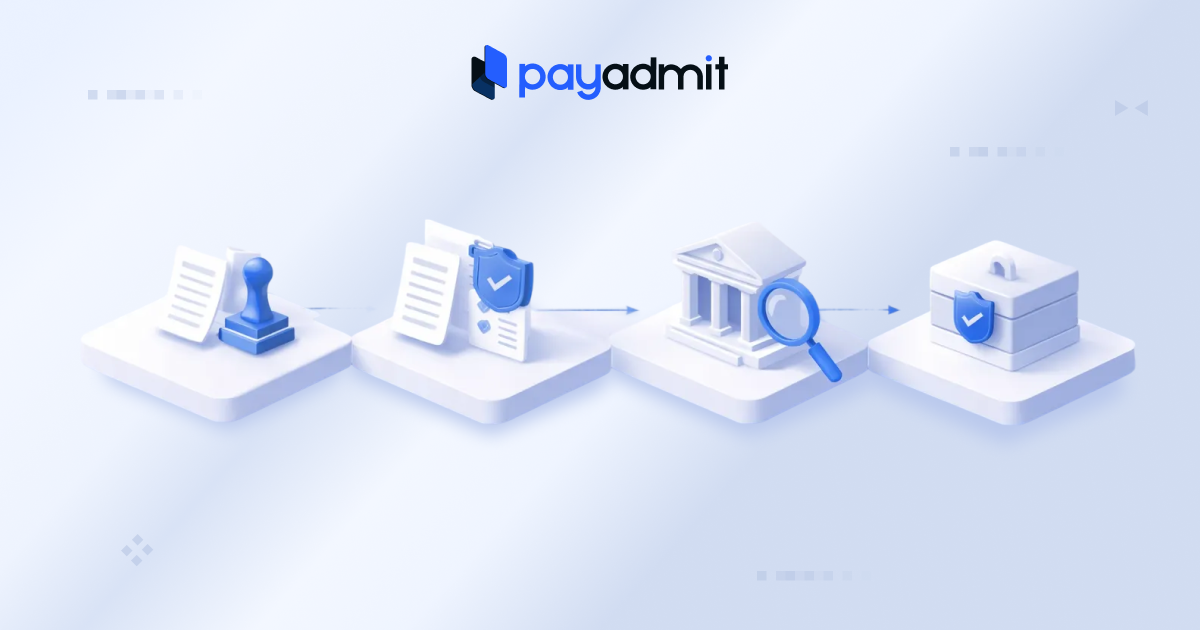
Setting up a web merchant account involves multiple steps to ensure smooth and secure payment processing. Let’s see how it works in practice.
Choose a provider that meets your business needs. If you have a small company or a start-up project, look for a service provider that is easy to set up. If you have a bigger company, processing multiple transactions every day, a merchant account with a reliable bank might save you money in the long run. Make sure the provider integrates security features like fraud protection to keep individual transactions safe.
Once you have a reliable provider, you’ll need to apply for an internet merchant account. You will need to provide details about your business, including your company registration, bank information, and estimated sales. Some businesses are considered high-risk, which leads to extra paperwork and higher fees. The average approval takes a few days. However, some financial institutions can approve your application instantly.
Your provider will take time to check your information. If you have a high-risk business, you may have to provide extra security. For example, a rolling reserve can keep a small portion of your money to prevent the risk of chargebacks.
A payment gateway ensures that your funds are securely transferred from your customer’s bank to your merchant account. Your gateway should work smoothly with your website and checkout page.
Before using a new account, process a few test transactions to make sure everything works properly. If there are any issues, you will have time to fix it before real customers start making payments. Check that transactions go through monthly and that fraud detection tools work well.
Customers can now make online payments through your website. Focus on transactions to prevent fraud, manage chargebacks, and ensure payments run smoothly.
The cost of setting up and using an online business merchant account can differ a lot depending on the company you choose to manage your payments, the type of business you run, the approximate number of daily transactions, and the pricing model of the service provider. Generally, there are three types of merchant account fees:
Reading contracts carefully and negotiating when possible can help you keep your costs under control. Find a reliable provider that offers a transparent pricing system to avoid hidden fees and unfair treatment.
Internet merchant credit card accounts help businesses accept online payments instantly, enhancing cash flow and customer satisfaction. But the benefits don’t stop there. Here is how a merchant account can be beneficial in the e-commerce space:
Using an internet merchant account offers undeniable benefits. But it also involves certain challenges that may affect your overall performance:
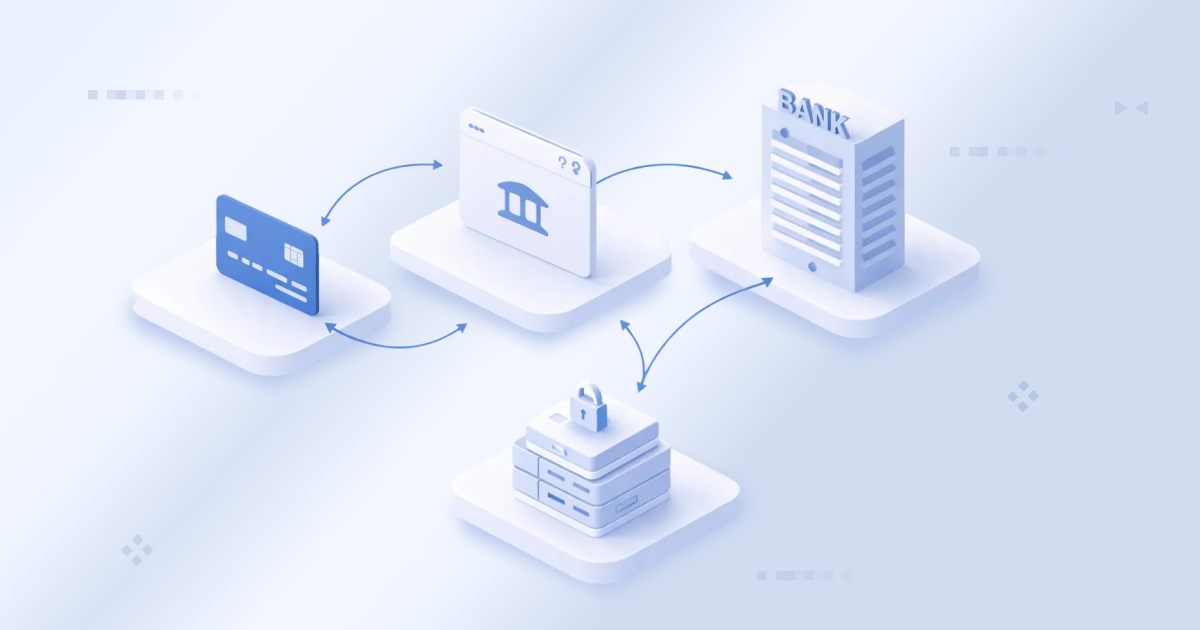
Many people think that an internet merchant account and a payment gateway are the same thing. But it’s not really the case. Both of them are required to accept credit card payments online. You can even get a payment gateway directly from your provider. However, it’s crucial to remember that an internet merchant account and a payment gateway serve two different purposes. A payment gateway is an online tool that helps merchants process online transactions. Meanwhile, a merchant account accepts funds before transferring them to a traditional bank balance.
Your internet merchant account can help your online store accept different types of payments, and eventually, improve your market performance. At some point, you might be wondering whether you need a payment gateway. Financial specialists would recommend you go with it for all the right reasons:
Transactions can’t be handled properly without a payment gateway. Meanwhile, a merchant account is a place for receiving funds. Both work together to ensure smooth online payments. With PayAdmit, you can set up an internet merchant account and enable smooth payment processing based on local financial regulations.